
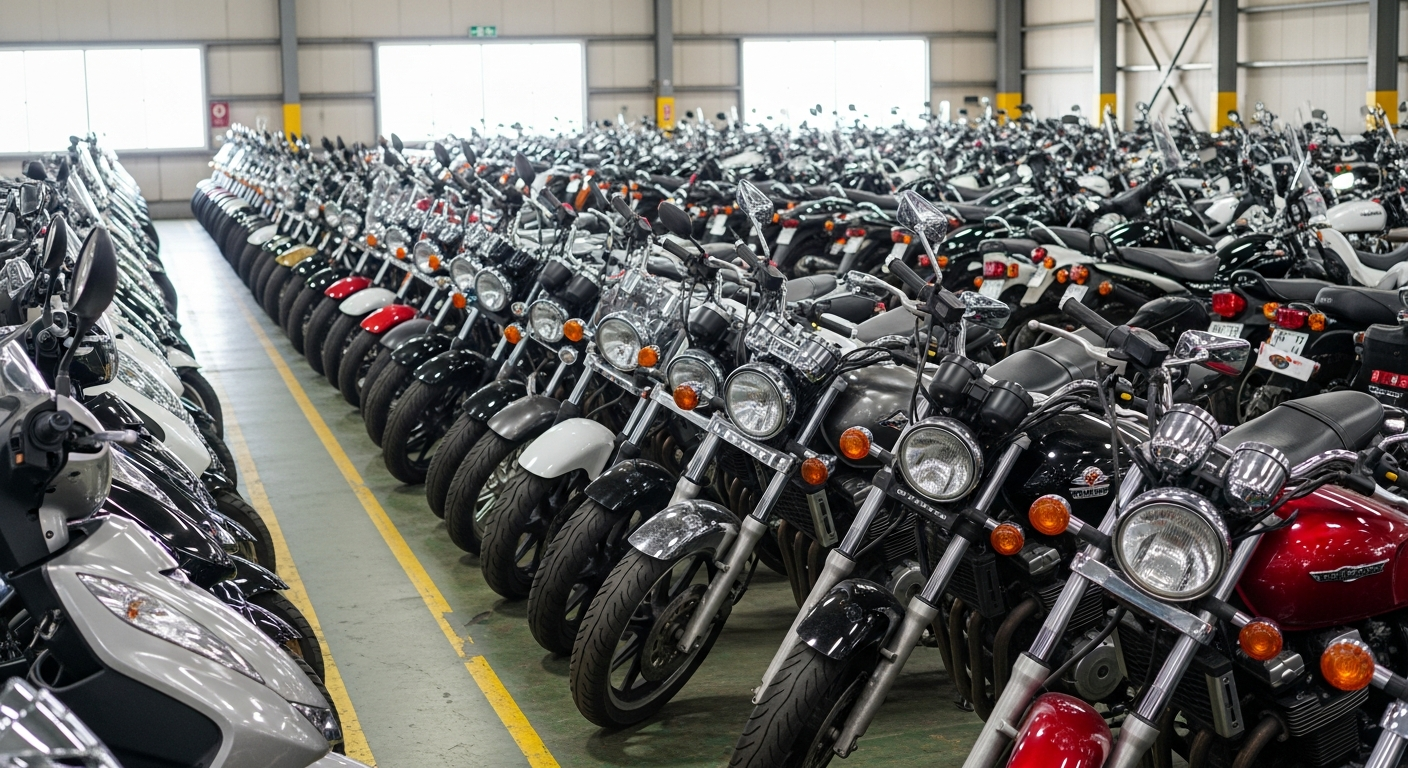
Every clean, low-kilometre Japanese motorcycle that lands in a garage in Los Angeles, London, Brisbane or Auckland passed through the same hidden door first: a Japanese motorcycle auction house. Not a dealer. Not a classifieds site. A members-only hall where 3,000 to 15,000 bikes change hands in a single week, each one graded, photographed and sold in about two minutes flat.
Here's the part that surprises most foreign buyers: you cannot walk in. You cannot register an account, wave a paddle, or pay cash at the gate. These auctions are closed to the public by design — they exist for licensed Japanese dealers, and the only way an overseas rider gets a bid in is through someone who already holds a seat inside.
It is a strange feeling the first time it sinks in. The cheapest, cleanest, most interesting used motorcycles in the world are sold in a system you are structurally locked out of. Not because anyone is hiding it from you, but because it was simply never built for consumers — least of all consumers on the other side of an ocean who do not read Japanese. The good news is that the lock has a key, and the key is understanding how the houses work and who can open the door for you.
That single fact explains almost everything about how importing a Japanese bike works, why the prices are so good, and why the whole business feels like a black box from the outside. So let's open the box. This guide walks through every major Japanese motorcycle auction house — BDS, JBA, USS, Arai and the public Yahoo system — what each one is, what it sells, what it costs, and exactly how you get a bike out of one and onto your driveway.
What are Japanese motorcycle auction houses?
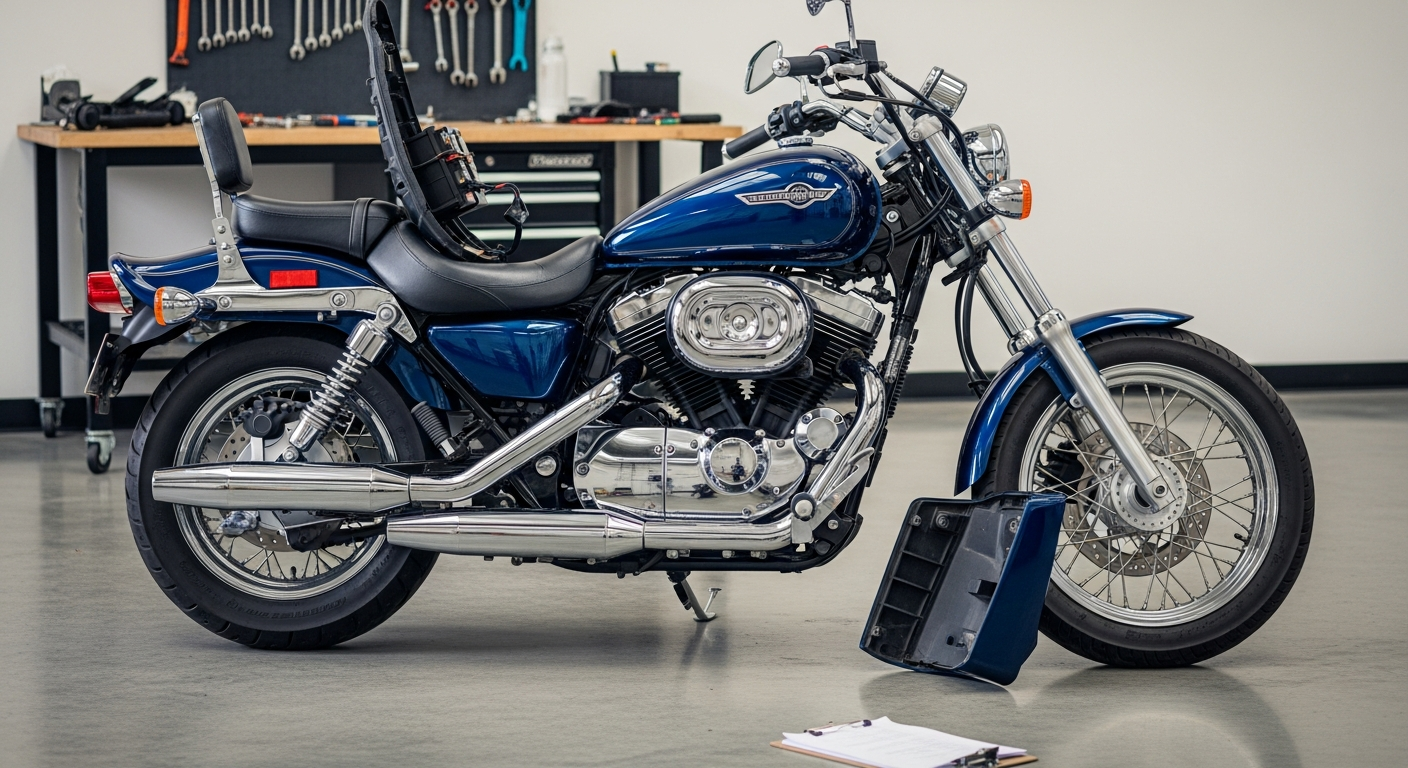
A Japanese motorcycle auction house is a wholesale marketplace where dealers buy and sell used bikes in bulk. Think of it as the engine room of Japan's entire used-motorcycle economy. When a shop in Osaka takes a trade-in it does not want, it sends the bike to auction. When a shop in Sapporo needs stock, it buys at auction. The auction house sits in the middle, inspects every machine, assigns a grade, and runs the sale.
Japan produces this river of clean used bikes for one boring, beautiful reason: the shaken roadworthiness system. As a motorcycle ages, the cost and hassle of keeping it road-legal climbs, so Japanese owners sell early and sell often. They also obsess over low mileage and tidy condition in a way that makes the average used bike there look barely broken in. Multiply that culture by 126 million people and you get hundreds of thousands of well-kept motorcycles flowing into the auction system every year.
The houses themselves are not open to consumers. They are dealer-only, members-only operations. A Japanese business has to hold a used-goods dealer licence and a paid membership to bid. That barrier is exactly why the prices stay low — there is no retail markup, no showroom, no salesperson. It is wholesale, raw and fast. The catch is that as a foreign buyer you can never be the member. You bid through one — an export agent who holds the seat and lifts the paddle on your behalf.
If you have read our broader guide to how to import a motorcycle from Japan, you already know the auction is where the journey starts. This article zooms all the way in on that first step: the houses, what separates them, and how to pick the right one for the bike you actually want.
BDS: the biggest dedicated motorcycle auction house in the world
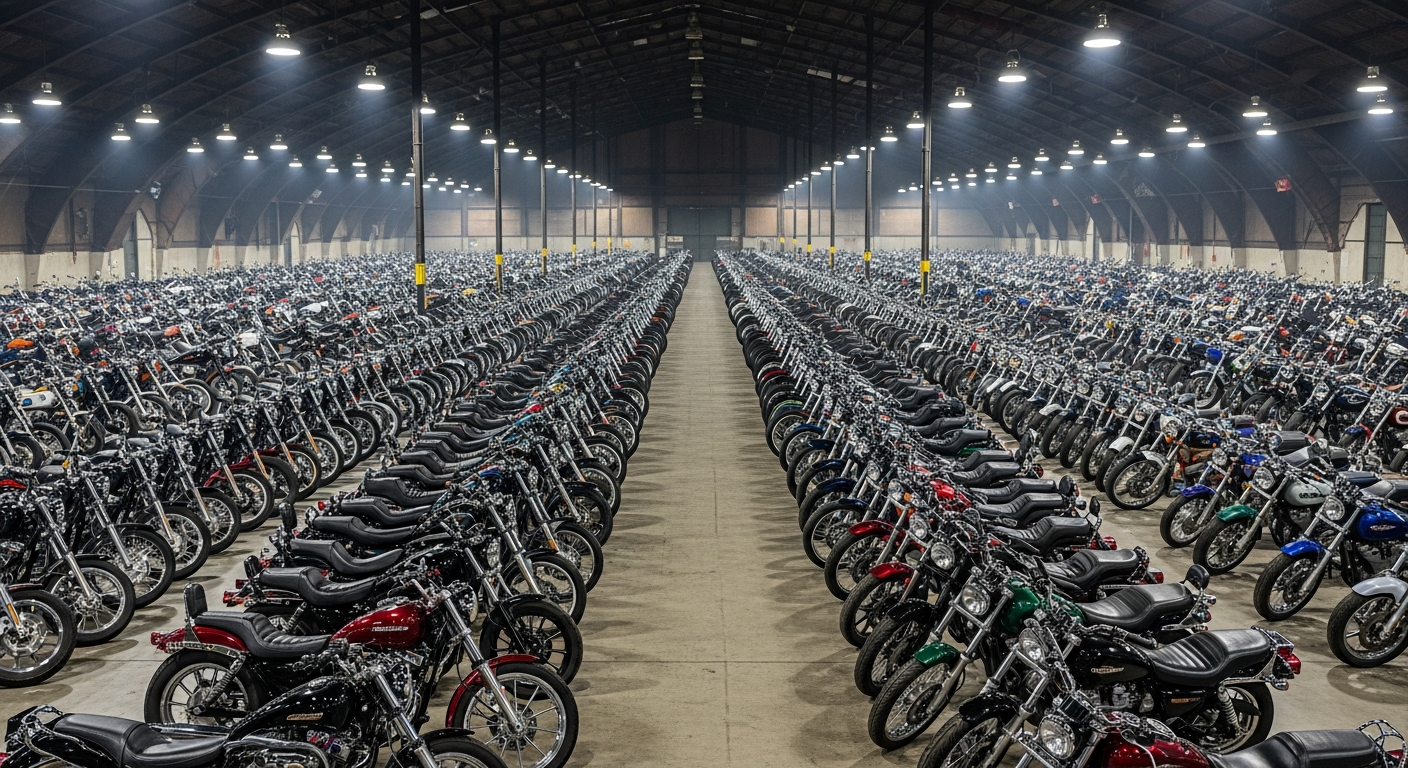
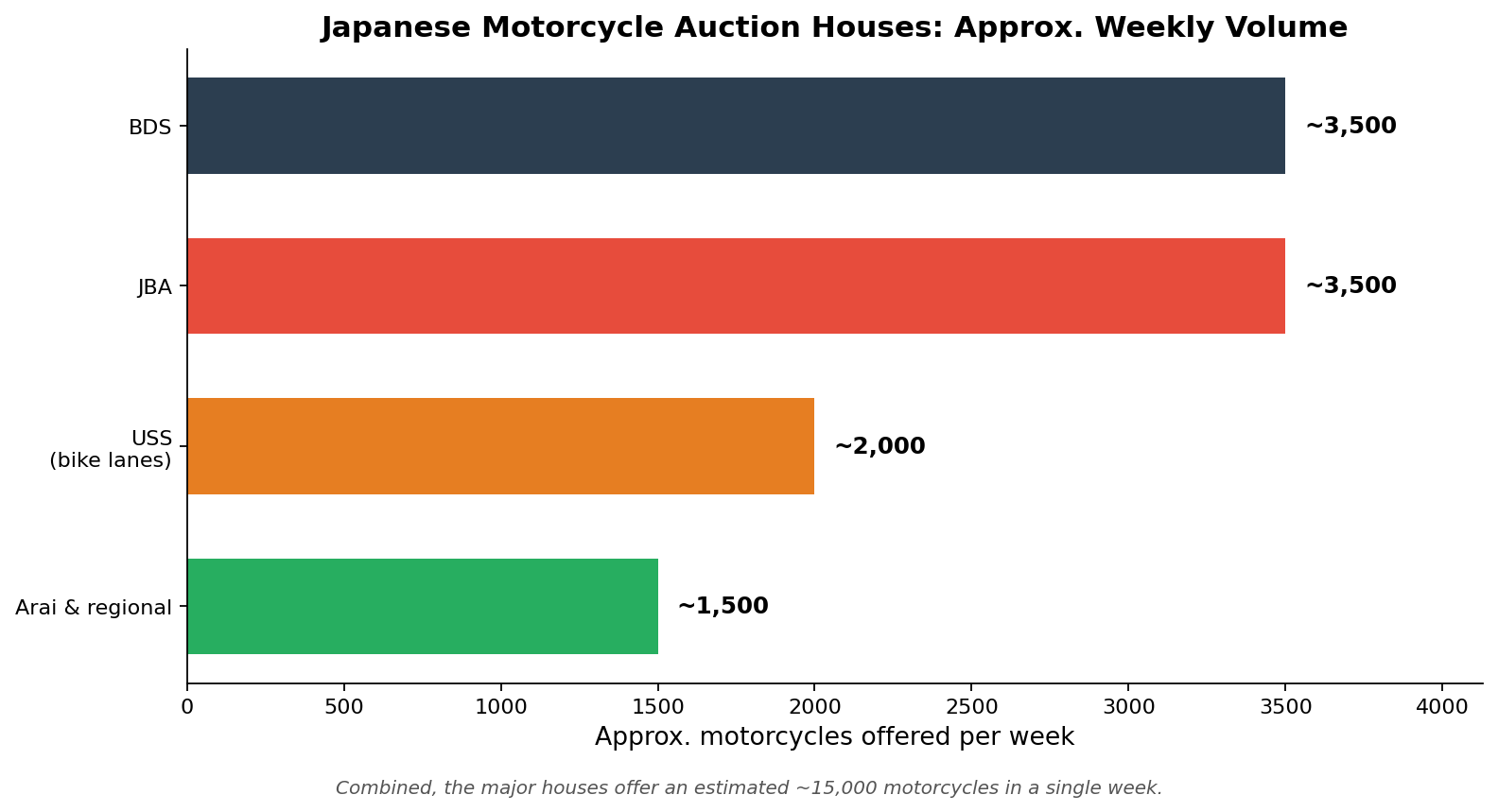
If there is a single name to know, it is BDS — Bike Dealer's System. It started in 1983, it has more than forty years of history, and it moves roughly 180,000 motorcycles a year. That makes it the largest auction house on the planet dedicated purely to motorcycles. Over 5,000 dealer members across Japan participate, and on a typical week BDS and its closest rival together list around 3,500 bikes each.
BDS runs its sales on Wednesday and Friday. Every motorcycle that arrives goes through a three-part inspection before it ever crosses the block: a mechanical check of the engine, transmission, brakes and running gear; a cosmetic check covering paint, scratches, dents and overall presentation; and a paperwork check confirming the registration, documents and history. The inspectors write all of this up into a standardized report, and — this is the gold — the reports go out to members a full week before the auction. You get to study the bike's condition in detail before you commit a single yen.
On sale day the pace is ruthless. Bikes roll through one after another, and each one sells in about two minutes. There is no time for deliberation in the hall; all the thinking happens beforehand, off the inspection sheet. That is why learning to read the Japanese auction sheet matters more than anything else you can do as a buyer. The dealer in the room is just executing the bid limit you set after reading the grade.
What makes BDS so useful to a foreign buyer is not just the volume but the consistency. When a house processes 180,000 bikes a year, its inspectors have seen every failure mode a hundred times, and the grading reflects that depth of experience. You are not relying on one person’s opinion of one bike; you are relying on a forty-year-old institution that grades at industrial scale. That consistency is what lets you buy a motorcycle you have never touched, from a country you have never visited, and still know roughly what is going to roll off the truck.
For overseas buyers, the modern reality is that several export specialists now plug straight into BDS. Bidding is typically handled in US dollars, a roughly 10% auction fee gets added to the hammer price, and the same one-week-ahead inspection reports are available to you through your agent. The bikes come with their legal Japanese documents unless the sheet says otherwise, and you choose crate or full-container shipping at the end. BDS is the house most foreign-facing agents lean on first, simply because the volume and the grading are both so deep.
JBA, Arai and the specialist bike auctions
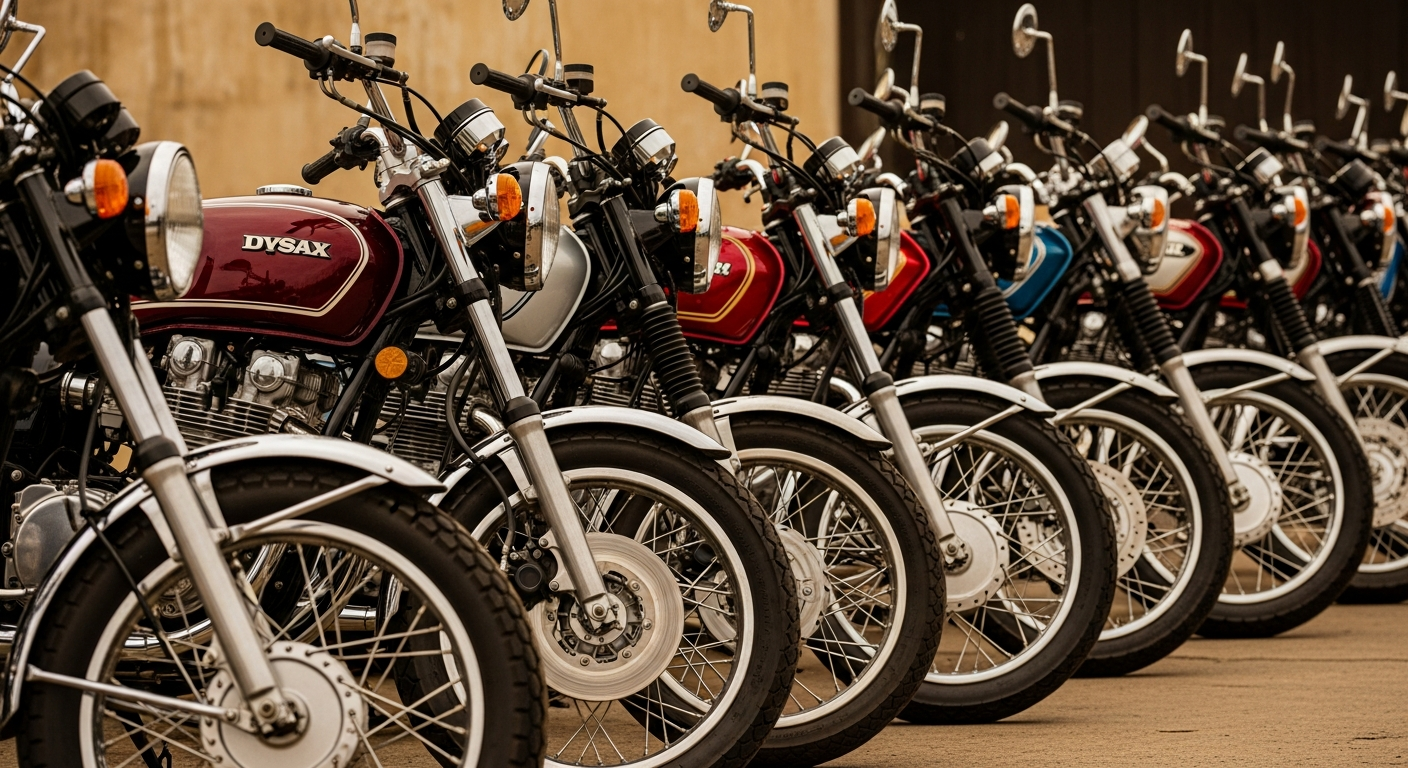
JBA — Japan Bike Auction — is the other heavyweight in the dedicated-motorcycle world, and for a lot of enthusiast buyers it is the more interesting one. JBA runs on Tuesday and Friday and has a reputation as one of the most reliable bike auctions in the country. It is where the classic metal surfaces: vintage Hondas, old Kawasakis, collectible Yamahas and Suzukis, often hammering for far less than a dealer or a public site would ever ask. If your heart is set on a 1990s naked, a four-stroke 400, or a tidy old standard, JBA is the room to watch.
BDS and JBA do not use the same scoring system. Each house grades bikes its own way, which is one of the quiet traps for newcomers — a "grade 4" at one auction is not automatically identical to a "grade 4" at another. Your agent should know each house's conventions cold, and you should never assume the numbers translate one-to-one. We cover the general framework in our piece on Japanese auction grades explained, but the house-specific nuance is exactly the kind of thing a good agent earns their fee on.
Beyond the two giants there is Arai and a scattering of smaller and regional motorcycle auctions. Arai is best known as a car auction group, but motorcycles pass through parts of the network too. These smaller houses can be worth watching for a specific rare model, but they carry less weekly volume, so most agents treat them as supplementary rather than a primary hunting ground. The practical takeaway: BDS for sheer volume, JBA for classics and reliability, the smaller houses for the occasional unicorn.
Across all of these dedicated bike houses combined, the weekly inventory available to an importer runs into the thousands — credible estimates put the big three at around 15,000 motorcycles between them in a single week. You are not picking from a thin local classifieds page. You are picking from a continent-sized catalogue refreshed every few days.
USS and the giant car halls that also sell bikes
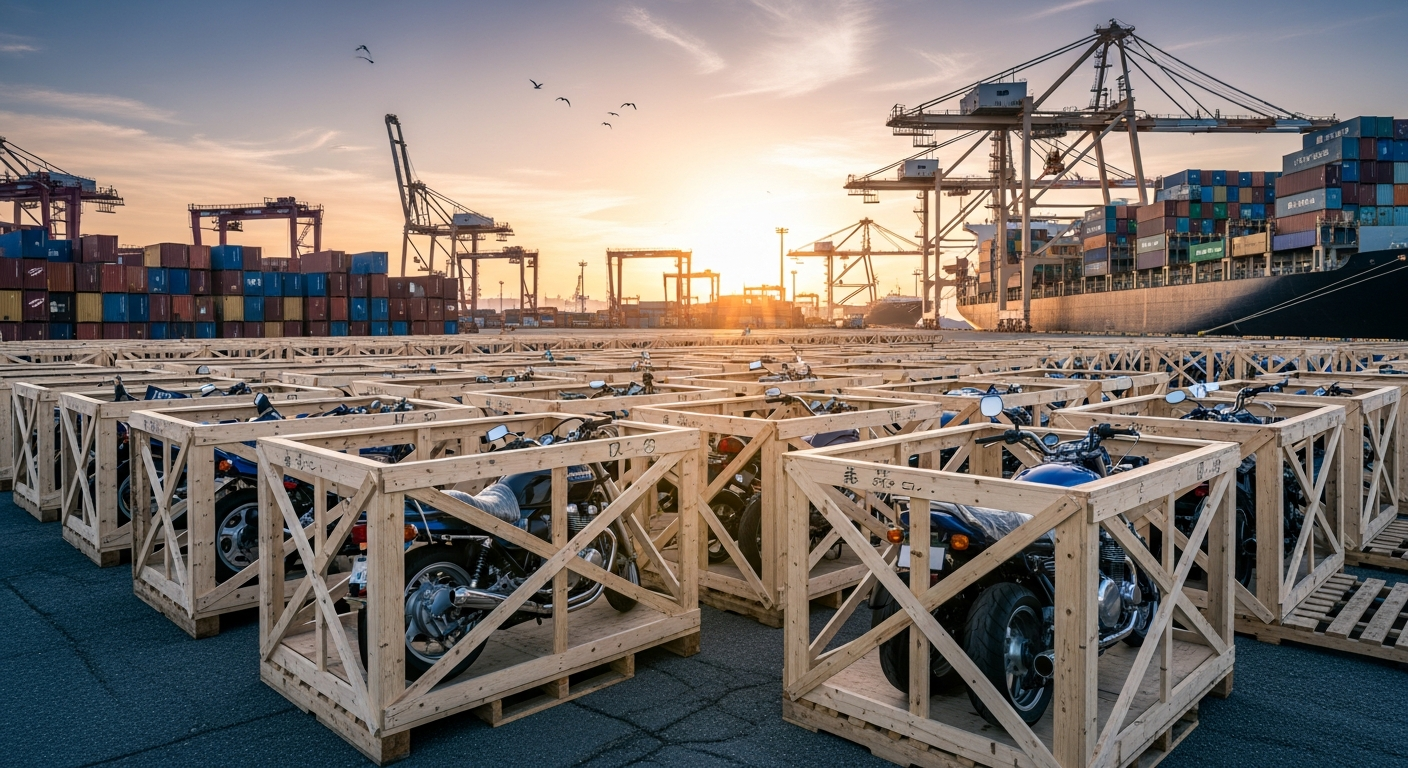
USS — Used Car System — is the colossus of the Japanese auction world, but its fame is built on cars. It is the largest vehicle auction group in Japan, with enormous sites that dwarf anything in the dedicated-bike world. So why does it matter to a motorcycle buyer? Because the bigger USS halls run motorcycle lanes too, and the sheer foot traffic of the car business pulls bikes into the system that might never reach a specialist house.
For most foreign buyers, USS is a secondary source for motorcycles rather than the first stop — the dedicated houses simply offer more bikes, more often, with grading tuned specifically for two wheels. But if you are also eyeing a JDM kei car or a project four-wheeler alongside your bike, an agent who works USS can sometimes line both up through one channel. It is also a name you will hear constantly in the import world, so it is worth knowing what it is and where it fits.
The thing to understand is that "Japanese auction" is not one place. It is an ecosystem: USS at the top for cars, BDS and JBA at the top for bikes, Arai and the regionals around the edges, and a public layer underneath that we will get to next. A skilled agent moves across all of them depending on what you are chasing. That flexibility is one of the underrated advantages of buying through someone with broad memberships rather than a shop tied to a single house.
Yahoo Auctions Japan and public auctions: why they're different (and riskier)
Here is where a lot of first-timers get burned. Alongside the dealer-only houses sits a completely separate world: public consumer auctions, the biggest being Yahoo Auctions Japan (Yahoo! JAPAN's marketplace, often called Yahoo Auctions or "Yahuoku"). Anyone in Japan can list and buy there. It looks tempting because the prices can be even lower than the dealer halls.
The problem is everything that makes the dealer auctions safe is missing. There is no standardized third-party inspection. No professional grade. No corrosion map drawn by a trained inspector. You are buying off photos and a description written by the seller — who is often a private individual, not a dealer with a reputation to protect. The bike might be flawless. It might also have a story the seller chose not to mention. Without the auction-house inspection sheet, you simply cannot tell from the outside.
Private dealer auctions also tend to undercut public sites on price for the good stuff, which is the opposite of what most people assume. The dealer halls move so much volume that prices settle at true wholesale, while public sites carry the friction and risk premium of consumer-to-consumer selling. So the smart play for an overseas buyer is almost always the dealer houses — the grading is the entire point of paying an agent. Use the public route only with eyes wide open, ideally for a specific bike you have independently verified, and never as your default just because a number looks low.
One more trap worth naming: scam listings and misrepresented condition are far more common on the open consumer platforms than inside the licensed houses. We wrote a whole guide on spotting dodgy used-bike deals, and the lesson transfers cleanly — the auction-house inspection sheet is your single best defence, and the public sites are exactly where that defence disappears.
How grading and the inspection sheet work across the houses
The inspection sheet is the heart of the Japanese auction system, and understanding it is what separates buyers who get gems from buyers who get surprises. When a motorcycle arrives at a house like BDS, a trained inspector goes over it and produces a report with two things that matter most: an overall condition grade, and a detailed map of every flaw.
The overall grade is usually a number — many houses run a scale roughly from 1 up to 6, with an "S" reserved for essentially new machines. A high number means a clean, well-kept bike; a low number means damage, heavy wear, or a project. Sitting alongside the headline grade is the granular stuff: notes on scratches, dents, rust, tyre and chain wear, modifications, and whether the bike runs and rides as it should. Mechanical, cosmetic and paperwork — all three get checked and logged.
The catch we flagged earlier is real: grades are not standardized between houses. BDS, JBA and the rest each developed their own systems over decades, so the same number can mean slightly different things depending on where the bike is sitting. This is not a reason to panic; it is a reason to use an agent who reads each house's sheets fluently and can tell you what a given grade actually means at that specific auction. The inspector's shorthand — the codes scribbled around the corrosion diagram — often carries more truth than the headline number.
It is worth saying plainly what the grade is protecting you from. The nightmare for any remote buyer is a bike with a hidden structural problem — a frame that has been straightened after a crash, a replaced section, corrosion eating something load-bearing. The auction inspection is specifically built to surface exactly these issues, which is why the corrosion map and the inspector’s structural notes deserve more of your attention than the cosmetic scratches. A bike can have scuffed bodywork and be mechanically perfect; that is a bargain. A bike can look shiny and have a question mark over its frame; that is a pass. Reading the sheet well means knowing which flaws are cheap and which are deal-breakers.
Because the reports go out roughly a week before the sale at the dedicated houses, you get genuine time to study. That is the rhythm of buying from a Japanese auction house: the reports drop, you read them carefully, you set a firm maximum bid with your agent, and then the bike sells in two minutes while you are probably asleep on the other side of the world. The work is all in the reading. If you only learn one skill before importing, make it reading the auction sheet.
What it actually costs: fees at every Japanese motorcycle auction house
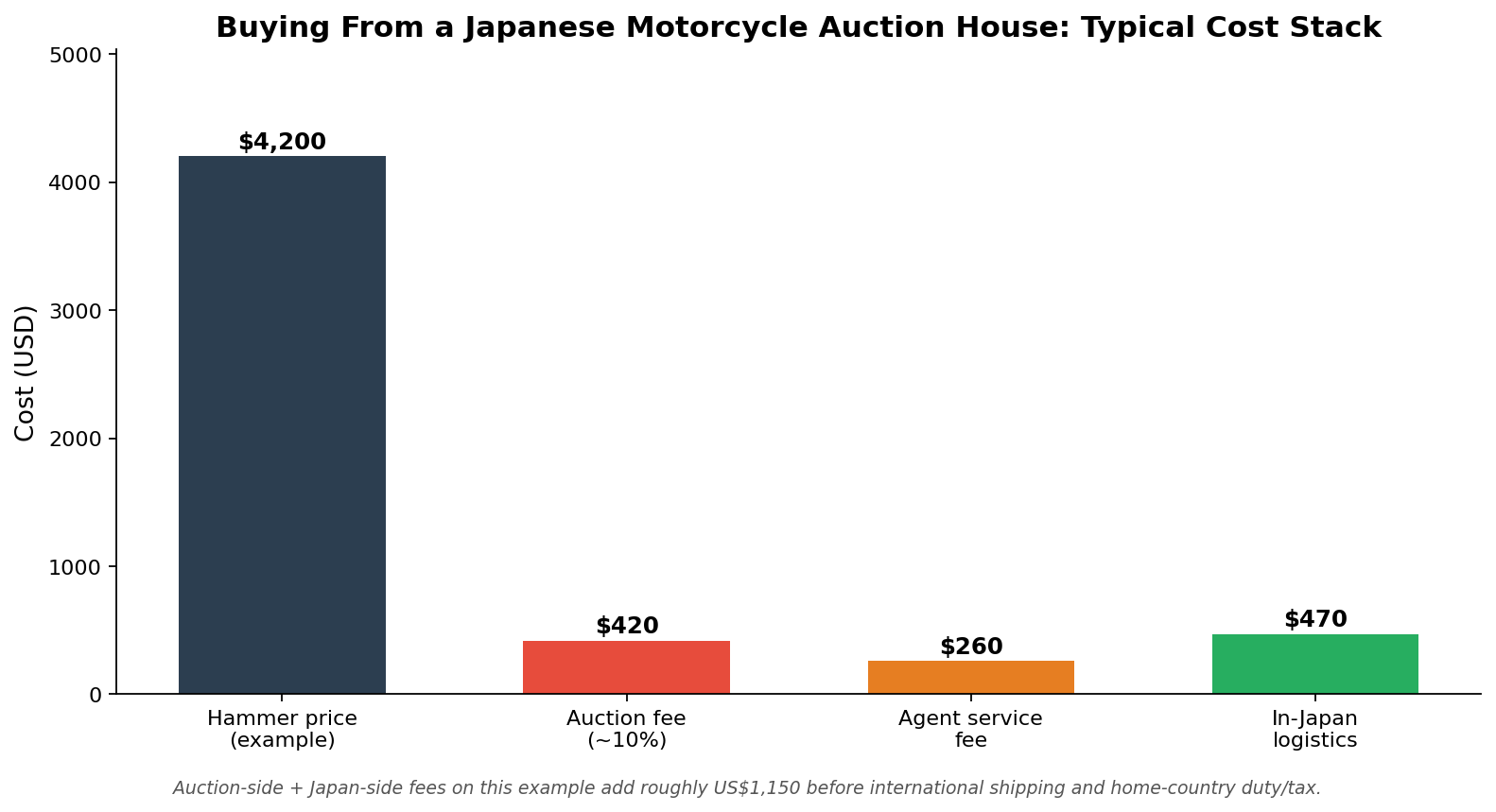
Let's talk money, because the hammer price is never the real price. Buying through a Japanese motorcycle auction house stacks several layers of cost, and knowing them up front keeps you from nasty surprises. None of these are huge individually, but they add up, and an honest agent shows you all of them before you bid.
Start with the auction house fee. At BDS-style sales this is commonly around 10% of the hammer price when you buy through an export specialist, though some houses and agents structure it as a fixed amount per bike instead. Next is your agent's service fee — the charge for holding the membership and bidding for you. Real-world figures from active importers sit around ¥35,000 to ¥45,000 per bike, which is roughly US$230 to US$285 at recent rates. That fee is the price of admission to a room you can never enter yourself, and a good agent earns it many times over by steering you away from a bad sheet.
Then come the logistics inside Japan: collecting the bike from the auction site, transporting it to the export yard, and crating or loading it into a container. Depending on how far the bike is from the port, this commonly runs in the US$400 to US$530 range. After that you are into international shipping, and then the costs in your own country — duty, tax and compliance — which vary enormously by destination and which we break down in our country-specific guides for the United States, Australia and beyond.
A word on currency and timing: because bidding through an export agent is usually settled in US dollars while the underlying market is in yen, the exchange rate quietly shapes your final bill. A favourable yen can shave real money off a bike; an unfavourable one adds it. There is nothing you can do to control this, but it is worth checking the rate when you set your ceiling so your maximum bid reflects what you will actually pay at home, not just the number on the screen.
The practical headline: on a clean 400-class bike that hammers around the equivalent of US$3,500 to US$5,000, the auction-side and Japan-side fees typically add a few hundred to roughly a thousand dollars before the bike even leaves the country. It is still, in the vast majority of cases, dramatically cheaper than buying the same machine retail at home — which is the entire reason this market exists. Just budget for the full stack, not the hammer price alone.
How to actually buy from a Japanese motorcycle auction house
Since you cannot walk in, here is the real-world sequence for getting a bike out of a Japanese auction house and onto your driveway.
Step one: pick your agent before you pick your bike. The agent is your seat inside the hall, your translator, your inspector-sheet reader and your shipper. Choose one with genuine memberships at the dedicated houses (BDS and JBA especially), transparent fees, and a track record of exporting to your country. This single choice shapes the entire experience.
Step two: tell them what you are hunting. A specific model, a condition floor (say, grade 4 and up), a budget ceiling, and any deal-breakers. The agent then watches the weekly catalogues across the houses and flags candidates as the inspection reports drop.
Step three: read the sheets together. When a bike you like appears, you study its inspection report — grade, corrosion map, inspector notes — and decide whether it is worth chasing. This is where you lean on the agent's fluency in that specific house's grading.
Step four: set a firm maximum bid. You give the agent a hard ceiling. They bid for you on sale day. Because each bike sells in about two minutes, there is no live back-and-forth on your end — your number is your number. Win some, lose some; discipline on the ceiling is what keeps you from overpaying in the heat of a popular lot.
Step five: pay, then ship. If you win, you settle the hammer price plus the auction and agent fees. The bike moves to the export yard, gets its export deregistration paperwork sorted, and is crated or containered. One popular approach among high-volume buyers — the kind of thing you see on YouTube channels like Bikes and Beards, who famously bought a whole 40-foot container of motorcycles from Japan — is filling a shared or full container to spread the freight cost across several bikes. For a single bike, a crate on a consolidated shipment is usually the move.
There is a quiet psychological discipline in steps four and five that is worth dwelling on. Because you set a ceiling and then step away, the auction removes the single most expensive mistake in motorcycle buying: falling in love in the moment and chasing the price up. Your agent will not blow your budget because the bike is pretty; they bid your number and stop. That enforced discipline is a feature, not a limitation. The buyers who look back happiest are almost always the ones who let a few bikes go because the price climbed past their line, and trusted that the next clean one was only days away.
Step six: clear customs and register at home. This is the part that varies by country, and it is where our destination guides earn their keep. The auction house's job ends when the bike leaves Japan; yours begins when it lands. Browse what is actually winnable right now on our current listings, and if you want a human to walk you through it, talk to our team.
What nobody tells you about auction-house bikes
Time for the honest part — the stuff the glossy importer pages skip. Buying from a Japanese motorcycle auction house is the best value in used motorcycling, full stop. But it is not magic, and a few realities deserve airtime.
First: the sheet is excellent, not omniscient. Inspectors are good, but a one-week pre-sale report on a bike that sells in two minutes cannot catch everything. The popular "will the bikes in my container even start?" videos exist for a reason — sometimes a machine that graded well needs a carb clean, a battery, fresh fluids and a weekend of fettling before it runs right. Budget a little for recommissioning and you will never be disappointed. Treat every imported bike as needing a once-over, because it has been sitting.
Second: JDM-only models are a feature and a trap. Part of the thrill is the bikes Japan kept for itself — the grey-market 250s and 400s, the two-stroke replicas, the oddballs you "only see in Japan," as more than one popular channel puts it. Wonderful. Just remember parts and service support for a model never sold in your country can be thinner than you expect. Check parts availability before you fall in love, not after.
Third: patience beats urgency. Thousands of bikes cycle through these houses every week. If you miss one, another clean example is usually days away. The buyers who get burned are the ones who blow their ceiling on a single lot because they "have to have this one." You don't. The auction will be back on Wednesday. Set your number, hold it, and let the volume of the Japanese auction system work in your favour — that abundance is the whole point.
A short history: how Japan's bike auctions came to feed the world
It helps to know why this system exists at all, because the history explains the value. Japan built the most productive motorcycle industry on earth — Honda, Yamaha, Suzuki and Kawasaki between them defined the modern motorcycle. That manufacturing base created an enormous domestic market, and an enormous domestic market created an enormous flow of trade-ins and used bikes that needed somewhere to go.
BDS opening its doors in 1983 was the formalization of something the trade already needed: a neutral, organized place for dealers to liquidate stock and source inventory without haggling shop to shop. Over the following four decades the auction model hardened into the backbone of the whole used-bike economy. Grading systems were refined, inspection became professionalized, and the weekly cadence — bikes in, reports out, sold in two minutes — became a machine that never stops.
For most of that history, the auctions were a purely Japanese affair. The bikes that flowed through them stayed in Japan or trickled abroad through a handful of specialist exporters. What changed everything was the maturing of the 25-year and 15-year import rules in Western countries combined with the internet. Suddenly a rider in Texas or Manchester could see what Japan had been quietly sitting on — clean four-stroke 400s, two-stroke race replicas, immaculate older nakeds — and want it. Export agents who could bridge the language and licensing gap turned that desire into a supply chain.
The result is the situation today: a domestic Japanese wholesale system, designed for Japanese dealers, now feeds garages on four continents. The auction houses did not set out to serve foreign enthusiasts; they set out to serve the trade, and the transparency they built for the trade happens to be exactly what a nervous overseas buyer needs. You are riding on the back of forty years of infrastructure built for somebody else, and that is a wonderful position to be in.
Which Japanese motorcycle auction house is right for the bike you want?
So which house should you — or really, your agent — be watching? It depends entirely on what you are chasing, and matching the bike to the house is one of the quiet skills that separates a smooth import from a frustrating one.
Want maximum choice and modern bikes? BDS is your first stop. With 180,000 machines a year and 5,000-plus dealers feeding it, the sheer breadth means the bike you want is statistically likely to appear, and soon. Sportbikes, nakeds, cruisers, scooters, modern and recent-used — BDS sees all of it in volume. If you have a specific recent model in mind and want the best odds of finding a clean one quickly, the biggest house gives you the most lottery tickets.
Want a classic or a collectible? Lean toward JBA. Its reputation as the home of vintage Hondas, old Kawasakis and collectible Yamahas and Suzukis is well earned, and the reliability of its operation matters more on an older bike where condition is everything. For a tidy 1990s four-stroke 400, a period naked, or a genuine classic, the specialist eye and the type of stock that flows through JBA tends to pay off.
Buying a bike and a car together? An agent with USS access can sometimes line both up, since the giant car halls carry motorcycle lanes alongside the four-wheel inventory. It is rarely your primary bike source, but it is a convenience worth knowing about if your garage ambitions run to both.
Chasing one specific unicorn? This is where a broad-membership agent shines. Some rare models surface only occasionally, and they might appear at a smaller regional house or in a USS lane rather than at BDS or JBA. An agent who watches across the whole ecosystem — not just one house — gives you the widest net. The lesson threaded through this entire guide is that "Japanese auction" is plural, and the buyer who treats it as a single network rather than a single venue ends up with more options and better bikes.
One honest note on timing across all houses: the calendar matters. Sales run on fixed days — BDS on Wednesday and Friday, JBA on Tuesday and Friday — and reports drop about a week ahead. That rhythm means importing is a paced game, not an impulse buy. The buyers who do best are the ones who set up with an agent early, define their target clearly, and then let several weeks of catalogues roll past until the right sheet appears. Rushing the process is how you end up bidding on a compromise.
Auction house vs. dealer vs. classifieds at home: an honest comparison
Why go through all of this when there are used bikes for sale ten minutes from your house? Fair question. The answer comes down to three things the Japanese auction houses do that your local options usually cannot match: price, transparency and selection.
On price, the gap is real and often large. A dealer at home buys a bike, marks it up, and pays for a showroom, staff and a warranty buffer — all of which lands in the sticker. The Japanese auction is wholesale by definition: no showroom, no salesperson, no retail margin. Even after auction fees, agent fees, shipping and home-country compliance, a clean JDM 400 frequently lands for a third to a half of what the same machine commands retail in the US, UK or Australia. The maths only breaks down on cheap, common bikes where shipping eats the saving — which is precisely why the auction route shines on desirable models that are expensive or rare at home.
On transparency, the auction sheet beats a private classifieds ad every day of the week. A stranger on Facebook Marketplace has every incentive to hide a bike's flaws; a professional auction inspector grading thousands of machines a week has every incentive to log them accurately, because the entire dealer system depends on that accuracy. You are trading "trust me, it runs great" for a standardized condition report written by a neutral third party a week before you commit. For a remote buyer who cannot kick the tyres, that report is everything.
On selection, there is no contest. Your local market has whatever happens to be for sale this week within driving distance. The Japanese auction system has thousands of bikes a week across the houses, including hundreds of models your country never officially sold. If you want something specific, especially something Japan kept for itself, the auctions are often the only place it exists in clean, documented condition at a sane price.
The trade-off, to be fair, is time and a little faith. You wait weeks for the right sheet, weeks more for shipping, and you accept a bike you have only seen on paper. For an impulse buyer who needs to ride this weekend, the local dealer wins. For a patient buyer chasing value or a specific machine, the auction house wins comfortably — and it is not close.
How AWA Auction gets you onto the floor
Put those three realities together and a clear buyer profile emerges. The person who wins at the Japanese auction game is patient, a little handy with a spanner or willing to pay someone who is, and disciplined about money. The person who struggles is the one expecting a showroom-fresh bike to arrive needing nothing, bought in a panic at a price they could not really afford, in a model they cannot get parts for. Neither of those buyers is wrong about wanting a great Japanese bike. The difference is entirely in the expectations they set before they start.
This is exactly the gap AWA Auction exists to fill. We hold the memberships, read the inspection sheets in their native shorthand, bid on your behalf at the dedicated motorcycle houses, handle the export paperwork, and ship the bike to your country. You get the wholesale access of a Japanese dealer without needing a Japanese licence, a Japanese address, or a word of Japanese.
You tell us the bike, the condition floor and the budget. We watch the weekly catalogues across the major houses, send you the sheets, and bid to your ceiling. No retail markup, no showroom games — just the auction price, transparent fees, and a clean machine on its way to you.
See Also
Share this article: