
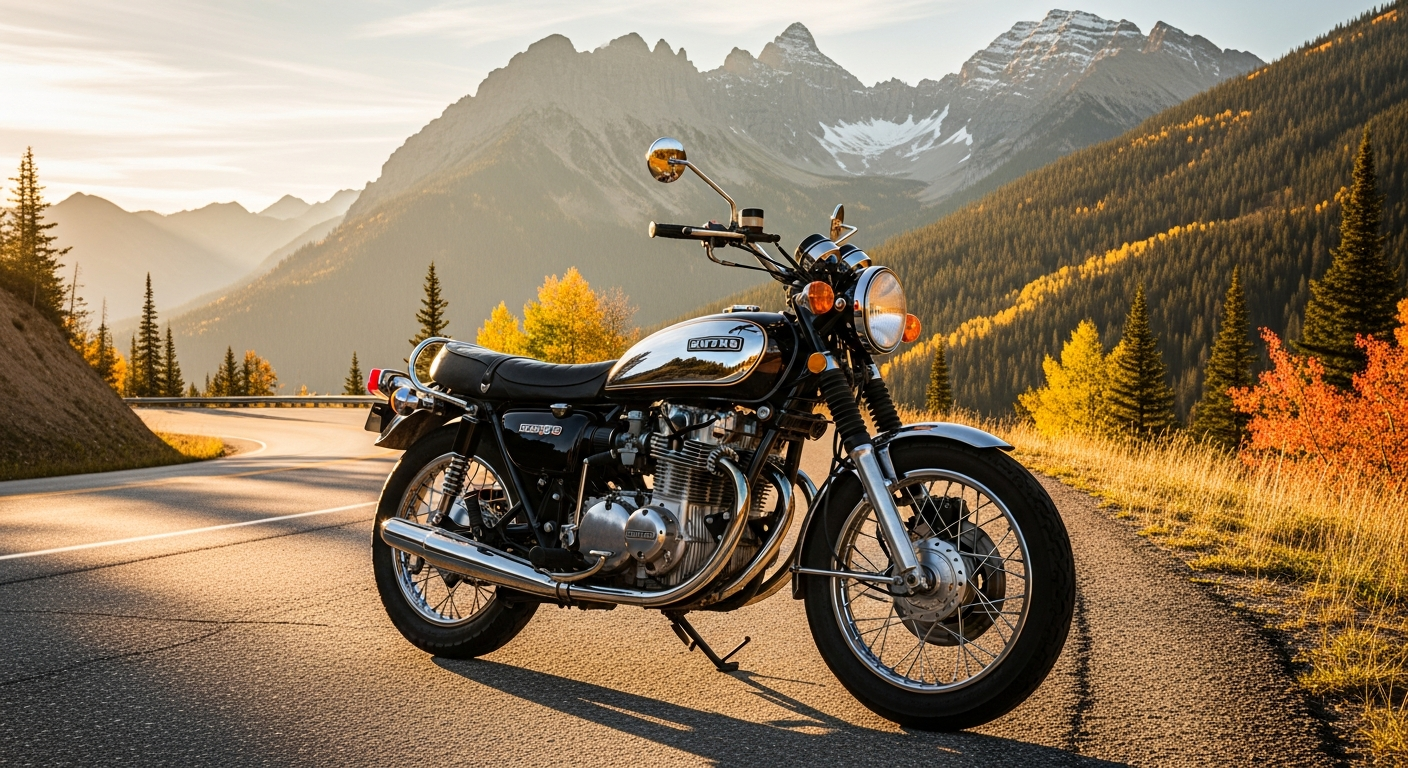
If you want to import a motorcycle from Japan to Canada, here is the line that should make you smile before you read another word: Canada lets you in at fifteen years, not twenty-five. While riders in the United States and Australia stare at a 25-year wall and count down the calendar, Canadians get a five-to-ten-year head start on the exact same bikes. A 2010 machine that an American cannot legally touch until 2035 can roll into Ontario or British Columbia today, plated and legal.
The bike you actually want — a tidy Honda CB400 Super Four, a one-owner SR400, a screaming RGV250, a low-kilometre ZRX1200 — is sitting in a Japanese auction yard this week, often for a fraction of what the same machine costs at a dealer in Toronto or Vancouver. The Japanese sell their bikes early, keep them immaculate, and grade every one of them on an inspection sheet you can read before you bid.
Here's the thing nobody tells you: the bike is the easy part. What trips people up is the order of operations and the boring details — whether the RIV even applies to you, the export deregistration paperwork, the CPTPP certificate that turns a six-percent duty bill into zero, and the provincial safety inspection waiting at the other end. Get the sequence right and the whole job is almost dull. This guide walks the entire path, from why Japan is the best used-bike market alive to the day your new plates arrive.
Why import a motorcycle from Japan to Canada at all?
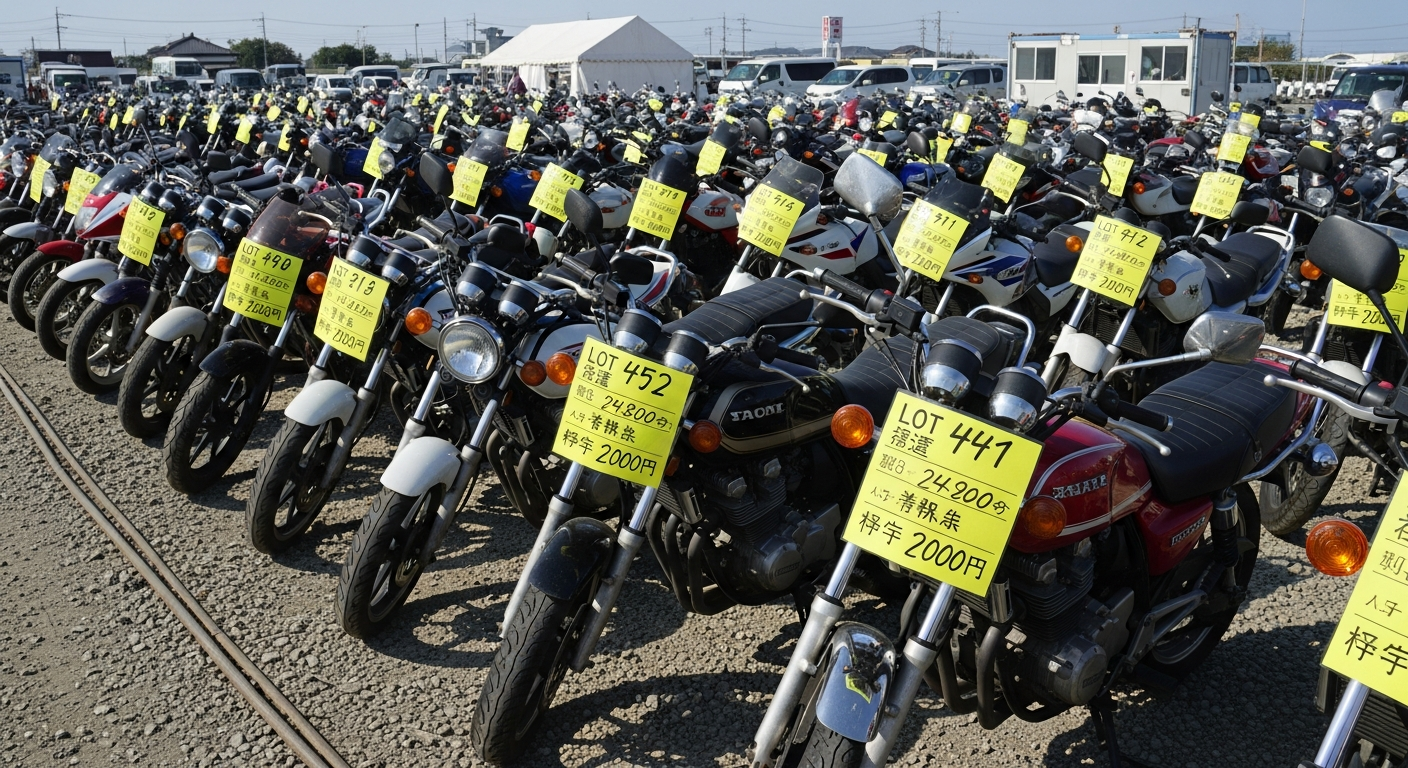
Japan built a used-vehicle culture with no equal. The shaken roadworthy inspection regime gets brutally expensive as a bike ages, so Japanese owners sell early and sell often. The domestic market prizes low kilometres above almost everything. And the auction houses grade every machine with a transparency that Kijiji and Facebook Marketplace listings can only dream about. The result is a river of well-kept motorcycles changing hands every week at the big auctions — BDS, JBA, and the motorcycle lanes of the larger USS halls.
For a Canadian buyer, three things make this irresistible. First, price. A JDM-market Honda VFR400 or Yamaha FZR400 in genuinely good order routinely sells in Japan for a third to a half of the local asking price here. Second, choice. Canada never officially received many of the bikes enthusiasts crave — the 250cc and 400cc grey-market four-strokes, the two-stroke race-replicas, the rare 90s nakeds. Japan has them by the hundred. Third, condition you can verify before you bid, thanks to the auction inspection sheet.
If you have never read one of those sheets, stop and learn — it is the single most valuable skill in this entire game. Our guide to reading the Japanese auction sheet breaks down the grades, the corrosion maps, and the inspector shorthand. The Canadian who learns to read these sheets buys better bikes than the one who flies to Tokyo and pokes them with a screwdriver.
One reality check from the popular YouTube channels that actually walk the Japanese auction floors: the "motorbikes in Japan are cheaper than you think" videos pulling hundreds of thousands of views consistently show clean 400-class machines hammering in the CA$4,000 to CA$6,000 bracket once landed. That is the number that makes the rest of the cost stack worth swallowing. And the people who do this well all repeat the same lesson — the paperwork is what wins or loses, not the bidding.
There is also a quieter advantage that seasoned importers talk about: provenance. A Japanese auction bike comes with a paper trail — service records, the inspection grade, the deregistration history — that a private Kijiji sale almost never matches. You are not buying a stranger's story about how the bike was "barely ridden." You are buying a graded machine with a build date stamped on the frame and an inspector's map of every scratch. For a Canadian buyer two oceans away, that verifiable history is worth as much as the price gap.
And the cold-climate angle cuts in your favour, too. Japanese owners garage their bikes and ride them gently, while a comparable Canadian used bike has often weathered road salt and a few hard winters. The rust map on a Japanese auction sheet routinely looks better than what you would find under a local bike of the same age. You are importing not just a cheaper machine, but frequently a healthier one.
Can Canadians legally import a motorcycle from Japan? The honest answer
Yes. And the rule that governs it is the friendliest age threshold in the English-speaking world. Under Transport Canada's framework, a vehicle that is 15 years old or older — measured from its month and year of manufacture — falls outside the federal regulations entirely. It does not have to meet current Canada Motor Vehicle Safety Standards, and it does not have to go through the Registrar of Imported Vehicles. It is, in the language of the rules, a "non-regulated" vehicle.
The agencies you will meet are Transport Canada, who set the safety rules; the Canada Border Services Agency (CBSA), who clear the bike and collect the taxes at the border; and Environment and Climate Change Canada, who care about emissions. Clear all three and your province issues the plate.
The federal government is the source of truth that overrides any forum post, including this article. But the shape of it is simple: a 15-plus-year-old Japanese motorcycle that never wore a Canadian or US badge is a non-regulated import, and the federal side of the job is mostly a customs formality. The province is where the real inspection happens.
It helps to think of the job as two halves with a hand-off in the middle. The first half lives in Japan and at sea: winning the bike, deregistering it, and shipping it. The second half is Canadian: CBSA clearance at the border, then your province's inspection and registration. The federal hand-off — proving the bike is 15-plus years old and clearing customs — is the part people fear and the part that is actually the most predictable. The provincial half, where a human inspects a real motorcycle, is where the genuine variability lives. Plan accordingly: spend your worry budget on buying a sound bike, not on the customs form.
Why Canada's 15-year rule beats America's and Australia's 25-year wall
This is the section that should make you grin if you have ever read our guides on importing to the USA or Australia. Canada is, plainly, more generous than either.
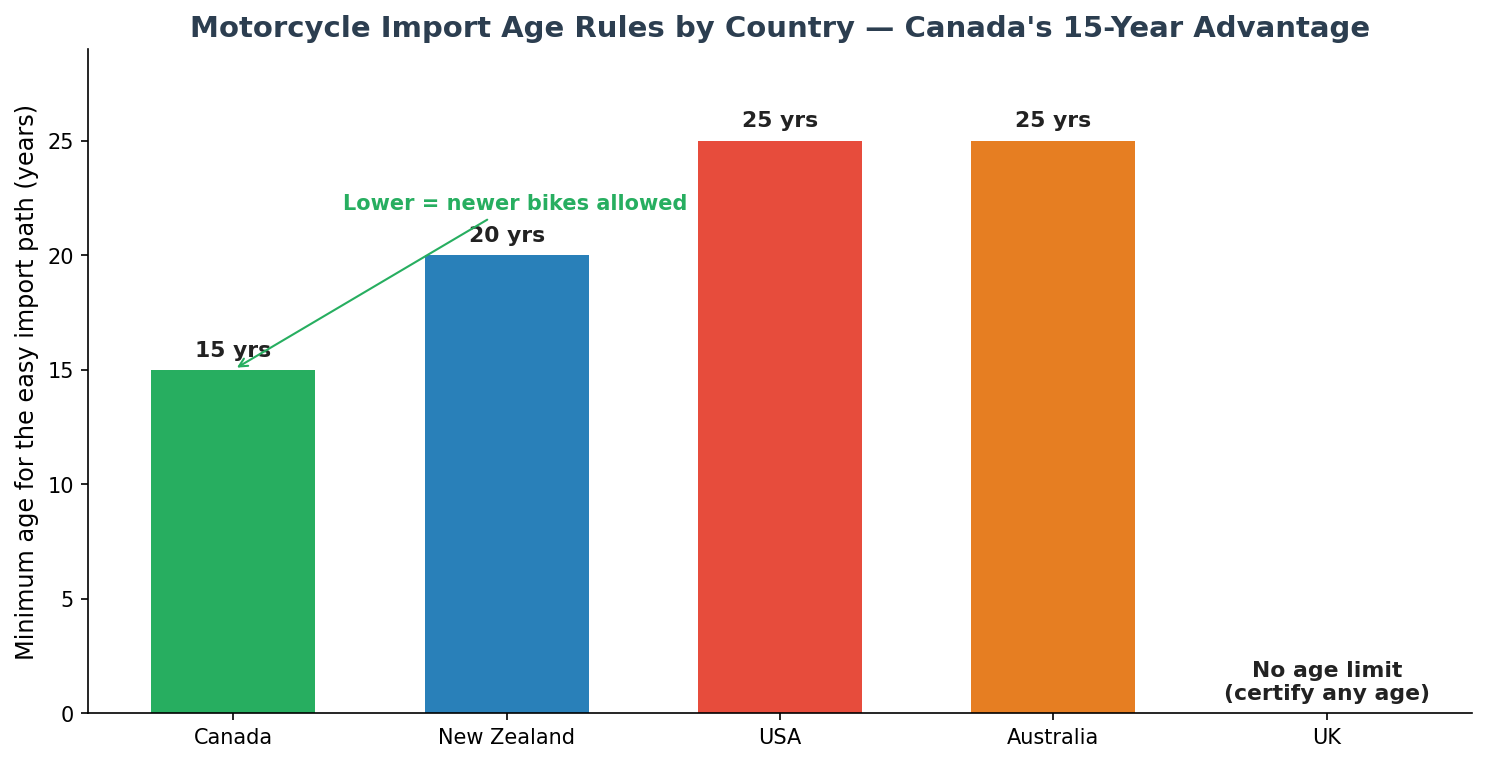
The United States runs a hard 25-year exemption from federal DOT and EPA rules, and it is famously rigid — a bike one month too young can be seized at the border. Australia enforces a 25-year rule for its easy concessional pathway; anything newer generally needs a licensed compliance workshop and an import approval granted before the bike ships. New Zealand is looser at around 20 years. Canada beats them all with a flat 15-year threshold.
Read that difference again, because it is worth real money. A 2011 motorcycle is too young for the US 25-year door until 2036, and too young for Australia's easy path until 2036 as well. In Canada, that same 2011 bike crossed the 15-year line this year and rides in as a non-regulated import. You are shopping a full decade of motorcycles that your American and Australian neighbours simply cannot legally buy.
That gap reshapes what is worth importing. The mid-2000s and early-2010s bikes — fuel-injected, ABS-equipped, genuinely modern machines like a 2010 CB1300, a 2009 ZRX1200 DAEG, or an early Yamaha FZ1 — are firmly in play for Canada while they remain forbidden fruit south of the border. You are not limited to two-stroke museum pieces. You can import a bike you would actually commute on.
The 15-year rule explained: manufacture date, not model year
Here is the single most common mistake, and it comes straight out of the comment sections of every Canadian import video: people count the model year. The rule does not. It counts the month and year the bike was actually built, and you must clear the full fifteen years from that date.
An example. A bike sold as a 2011 model may have rolled off the line in September 2010. That machine becomes importable in September 2025, not January 2026. Conversely, a "2010" model built in early 2011 is locked out a few months longer than the badge suggests. The build date lives on a plate or sticker on the frame, and the Japanese export documents state it. Always import on the manufacturing date — CBSA does.
The official CBSA video, "Importing a Motor Vehicle into Canada," and the popular explainer clips on the 15-year rule all hammer the same point: confirm the build month before you bid, because a bike that is fourteen years and ten months old is not an import, it is an expensive paperweight stuck at the dock. If you are buying close to the line, ask your exporter to send a photo of the frame build plate before you commit.
Do you actually need the RIV?
Probably not — and this surprises people. The Registrar of Imported Vehicles (RIV) exists to inspect and certify vehicles that were originally built for the US market and are being permanently imported into Canada. It is a US-to-Canada program at heart.
A Japanese-domestic-market motorcycle that is 15 years or older is non-regulated, which means it sits outside the RIV program completely. You do not register it with the RIV, you do not pay the roughly CA$325 RIV fee, and you do not book a RIV inspection. You clear customs with CBSA and then go straight to your provincial process.
Where the RIV does come back into the picture is the rare case of a US-spec bike, or a vehicle younger than 15 years that somehow qualifies through another channel. For the overwhelming majority of readers — a JDM bike, 15-plus years old, bought at a Japanese auction — the RIV is simply not part of your day. Knowing that up front saves you a fee and a phone call to the wrong agency.
The documents you need from Japan
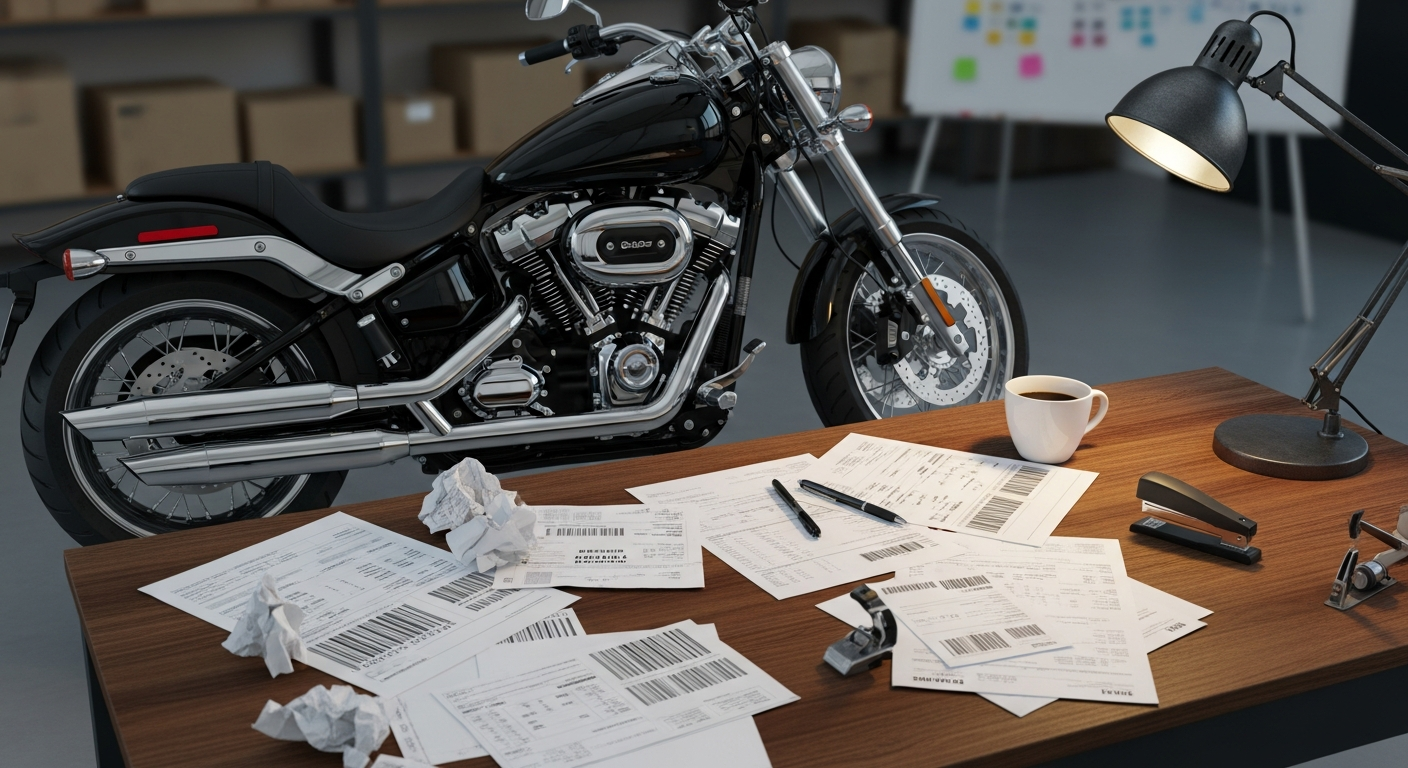
Almost every avoidable delay in a Canadian import traces back to one missing piece of Japanese paperwork. Get these sorted before the bike leaves the auction yard and the rest of the process is smooth.
The cornerstone is the export certificate — the document proving the bike was deregistered in Japan and released for export (for larger bikes this is the MLIT export deregistration certificate; for smaller machines it is the local deregistration record). You also want the bill of sale or auction invoice showing what you actually paid, because CBSA values the bike for duty and tax on that price. Add the bill of lading from the shipping line, and a clear photo of the frame build plate to settle the 15-year question on the spot.
A good Japanese exporter — and AWA Auction handles this end as a matter of course — assembles this packet for you and translates the key fields. Insist on the original export certificate, not a photocopy; some provincial registries want to see it before they will title the bike. Our deeper walkthrough of how to import a motorcycle from Japan covers the document chain in full.
Step-by-step: how to import a motorcycle from Japan to Canada
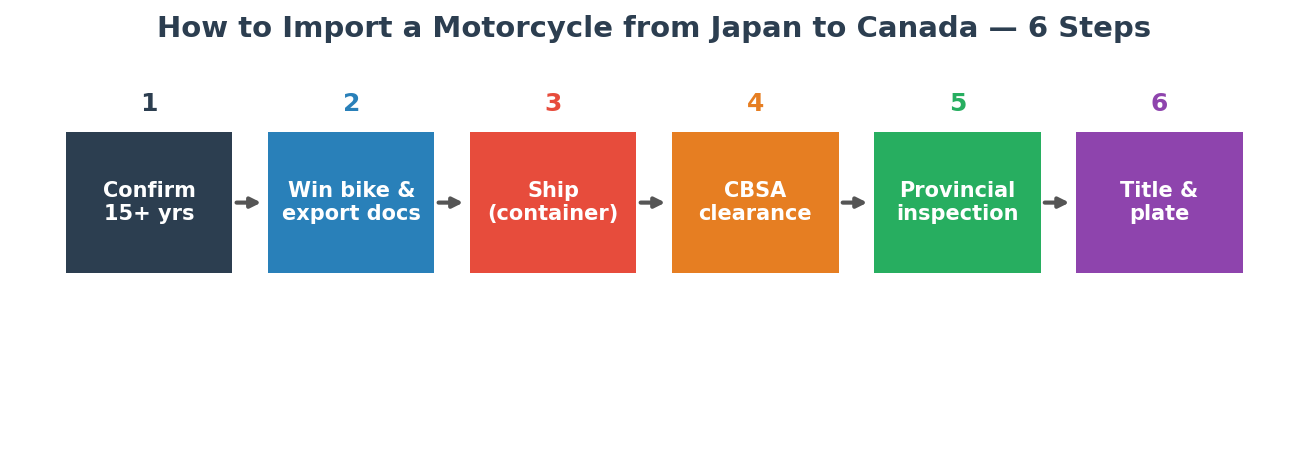
Step 1 — Confirm the bike is 15-plus years old
Before anything else, verify the build month and year. If the bike clears fifteen years, it is a non-regulated import and your life is easy. If it does not, stop — there is no clean pathway for a newer JDM bike, and you should choose a different machine.
Step 2 — Win the bike and get the export paperwork
Bid through an auction agent, win, and pay. Your agent deregisters the bike in Japan and obtains the export certificate. This is also when you decide on shipping method.
Step 3 — Choose container or RoRo shipping
A shared container is the usual choice for a single bike — crated, strapped, and protected. Roll-on/roll-off is cheaper but exposes the bike on deck. Our guide to container versus RoRo shipping lays out the trade-offs. Most Japan-to-Canada bikes land at the Port of Vancouver; eastern buyers sometimes route through Halifax or via a US port and a land crossing.
Step 4 — Drain the fuel and prep for arrival
Shipping lines require the tank near-empty and the battery often disconnected. A clean bike also moves faster through any inspection. Mud and organic matter are the enemy — wash it before it ships.
Step 5 — Clear CBSA at the border
When the bike lands, CBSA processes the import. You (or your customs broker) present the export certificate, the bill of sale, and the bill of lading. CBSA assesses duty and GST, you pay, and the bike is released. Because it is 15-plus years old and non-regulated, there is no RIV step.
Step 6 — Pass the provincial safety inspection
Take the bike to a licensed inspection station in your province for the safety or out-of-province inspection your registry requires. This is the real mechanical check — brakes, tyres, lights, steering.
Step 7 — Title, register, and plate it
With the customs release form, the export certificate, and the passed inspection in hand, your provincial registry titles the bike and issues plates. Insurance is arranged in parallel. Then you ride.
What it actually costs: the real landed price in CAD
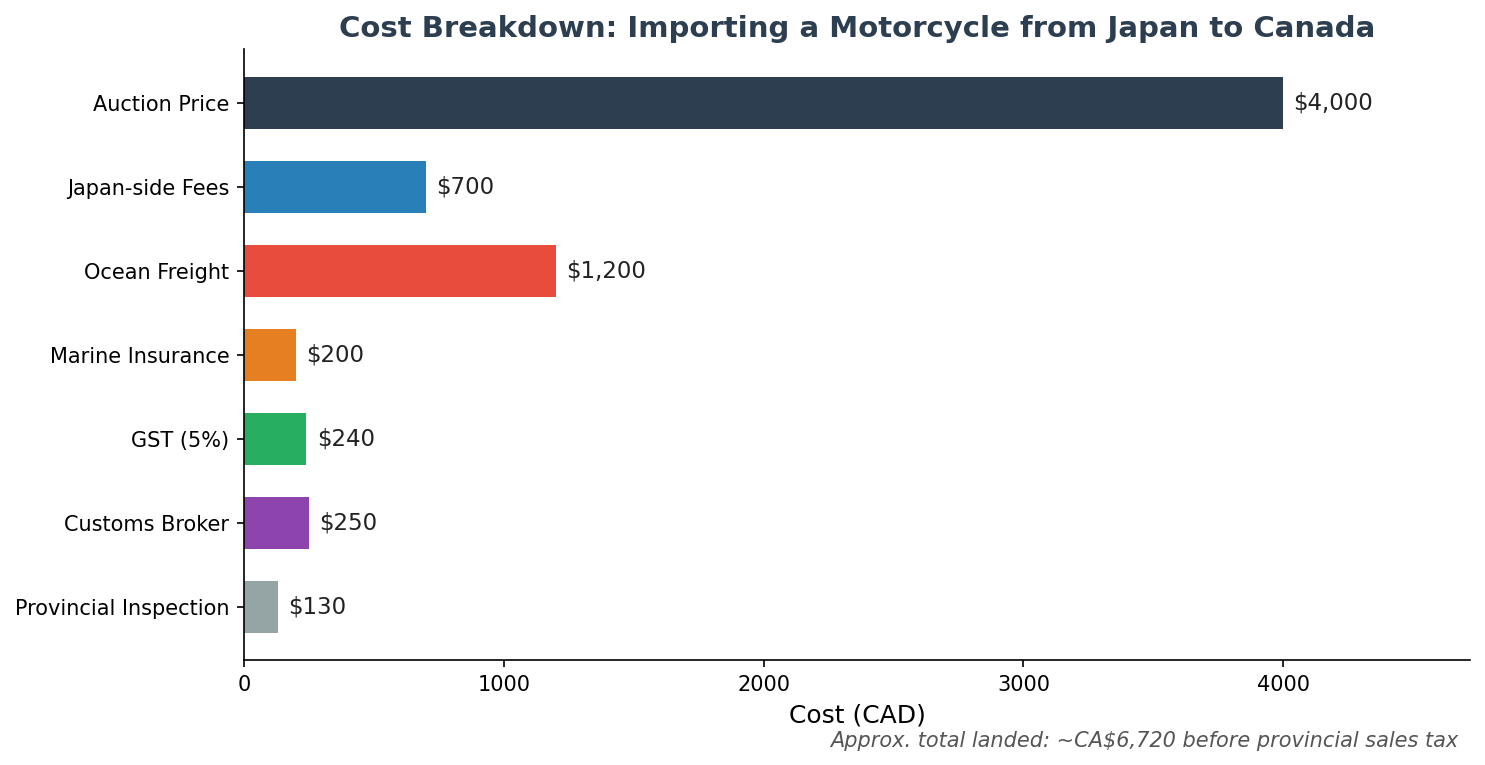
Let's put real numbers on it. Take a clean 400-class Japanese motorcycle that hammers at the auction for the equivalent of CA$4,000. Here is roughly how the landed cost stacks up by the time it wears Canadian plates.
The auction price is CA$4,000. Add the Japanese-side auction and agent fees, deregistration, and domestic transport — call it CA$700. Ocean freight from Japan to Vancouver in a shared container runs around CA$1,200. Marine insurance is a couple of hundred dollars. At the border, duty is the part you can zero out (see the next section), and GST at 5% applies to the value plus duty — on this bike, roughly CA$240 if duty is zero. A customs broker to file the clearance is CA$150 to CA$300. The provincial safety inspection is CA$100 to CA$150. Add provincial sales tax at registration in most provinces.
All in, a CA$4,000 auction bike typically lands plated for somewhere around CA$7,000 to CA$7,800, before provincial sales tax. That is still well under what the same low-kilometre, clean-titled machine commands locally — if you can even find it here. The maths gets better the rarer the bike, because the local scarcity premium is exactly what you are dodging.
A word on the variables. The auction price is the one number you control with discipline; the rest of the stack is fairly fixed per bike. That means the landed cost as a percentage of the bike's value falls as the bike gets more expensive — the fixed CA$2,500-ish of freight, fees, inspection and broker spreads across a pricier machine. Importing a CA$2,000 bargain rarely makes sense once you add it all up; importing a CA$5,000 to CA$10,000 bike you cannot find here almost always does. Run the numbers before you fall in love with a cheap one.
Duty, GST, and the CPTPP trick that zeroes your tariff
Here is the detail that quietly saves you a few hundred dollars, and almost nobody mentions it. The standard "most-favoured-nation" customs duty on a motorcycle imported into Canada is about 6.1%. But Canada and Japan are both members of the CPTPP — the Trans-Pacific Partnership trade pact.
Under CPTPP, a motorcycle that qualifies as originating in Japan can come in duty-free — zero percent — provided you file a valid certificate of origin with your import paperwork. On a CA$4,000 bike that is the difference between paying around CA$244 in duty and paying nothing. A Japanese-built Honda, Yamaha, Kawasaki, or Suzuki is exactly the kind of vehicle this was designed for.
The GST of 5% is unavoidable — it is charged on the value for duty plus any duty owing. But knock the duty to zero with a certificate of origin and you have shaved real money off the stack. Ask your exporter or customs broker to prepare the CPTPP certificate; a broker who imports Japanese vehicles for a living will do this in their sleep. Skip it, and you simply hand CBSA a tariff you never had to pay.
Emissions and the under-15 trap
Emissions are where the 15-year line does double duty. A motorcycle with an engine of 50cc or more that was built less than 15 years before import must comply with the Canadian emission standards in force at its date of manufacture — a real hurdle for a JDM bike that was never certified to Canadian or US emissions. A bike 15 years or older sidesteps this entirely, because the emission regulations, like the safety regulations, stop applying at the fifteen-year mark.
This is the deeper reason the 15-year rule is the whole ball game for Canadian importers. It is not just a safety exemption — it is the moment a foreign-spec bike stops needing to prove anything about its emissions hardware. Buy on the right side of fifteen years and both the safety and emissions questions answer themselves. Buy a year too young and you inherit a compliance problem that rarely has a clean solution. When in doubt, older is simpler.
Container or RoRo: getting the bike across the Pacific
Shipping is the part of the job that feels intimidating and turns out to be routine. You have two real options, and the choice mostly comes down to how much you care about the bike.
A shared container is what most single-bike importers choose. Your motorcycle is crated or strapped to a pallet, sharing a forty-foot box with other vehicles, sealed at the Japanese port and opened at Vancouver. It is protected from salt spray and weather the entire way, and it is the safer bet for a clean classic you have just paid good money for. Roll-on/roll-off, where the bike is wheeled aboard a vehicle carrier and strapped on an open deck, is cheaper and faster to book but leaves the machine exposed to the marine environment for the crossing. For a tidy 90s bike you have hunted for months, the container premium is cheap insurance.
Either way, the bike must ship with the fuel tank near-empty and, on most lines, the battery disconnected — standard dangerous-goods handling. Transit from a Japanese port to Vancouver typically runs two to four weeks on the water, plus port handling at both ends. Our full comparison of container versus RoRo motorcycle shipping breaks down the cost and risk of each, and our guide to shipping a motorcycle from Japan covers crating, insurance, and what the freight invoice actually includes. Book the shipping through the same agent who wins the bike and the two halves stay in sync.
Province by province: Ontario, BC, Alberta, and Quebec
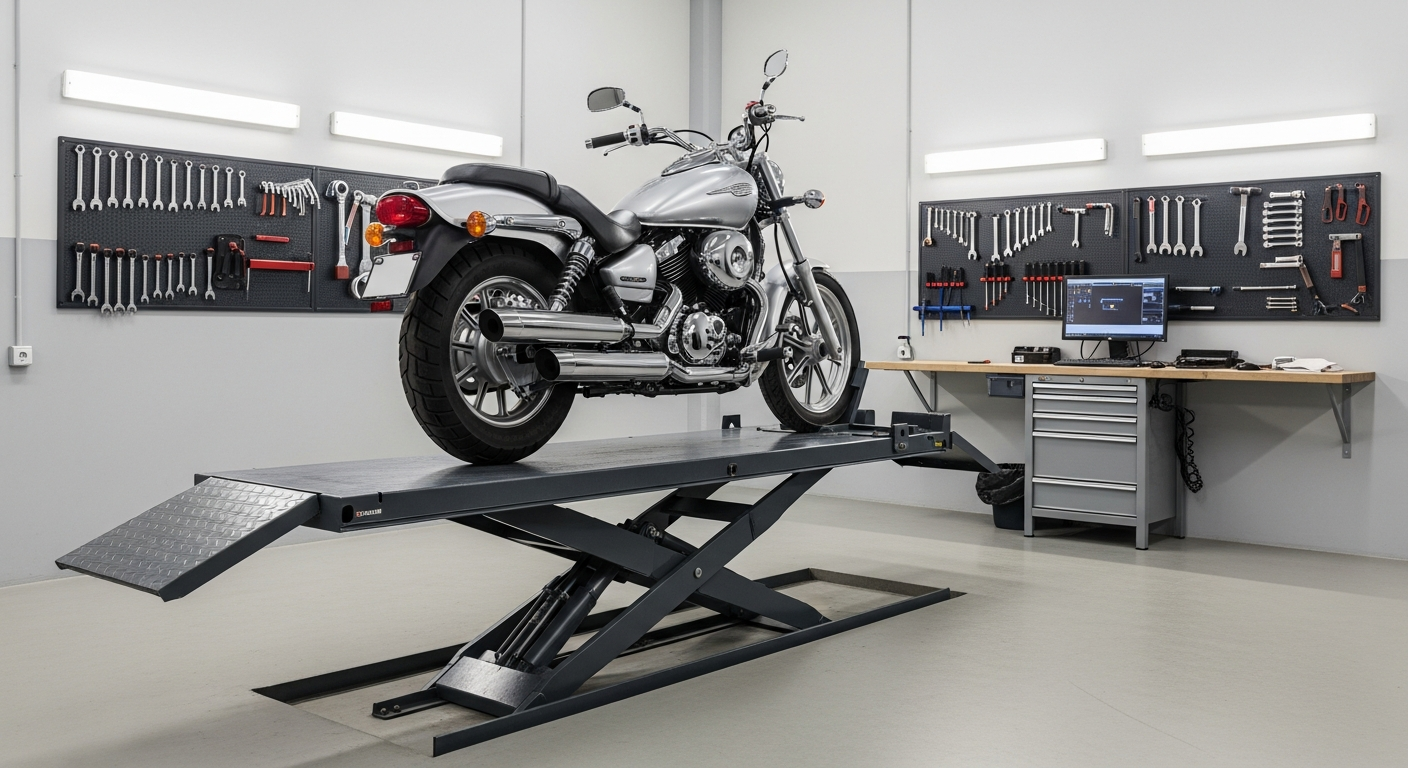
Federal clearance gets the bike into the country. Your province turns it into a plated, road-legal motorcycle — and each one does it a little differently. Always confirm with your own provincial registry, because these processes change.
Ontario requires a Safety Standards Certificate from a licensed inspection station before you can plate the bike, and you will want the original federal customs release and export certificate when you title it at ServiceOntario. British Columbia, the most common landing point thanks to Vancouver, runs its imports through an out-of-province style inspection before ICBC registration. Alberta requires an out-of-province inspection and is generally regarded as one of the more straightforward registries for imported bikes. Quebec registers through the SAAQ and has its own mechanical inspection and French-language documentation expectations, so budget extra time there.
Two universal truths across provinces: keep every original document from the border, and do the safety inspection at a station that has seen imported bikes before. A shop that understands a JDM speedometer reads in kilometres and that a grey-import bike will not have a North American compliance label saves you a frustrating afternoon.
One more provincial wrinkle worth flagging: insurance and the kilometre speedometer. Canadian insurers occasionally hesitate over a grey-import model they cannot find in their database, so it pays to line up an insurer comfortable with imported bikes before the machine lands. And while a JDM speedometer reading in kilometres is no problem in metric Canada, an inspector who has never seen one may ask questions — another reason to use a station that knows imported bikes.
How long does it take, from auction to plates?
Plan for roughly six to ten weeks end to end for a clean, well-organised import. Winning the bike and completing the Japanese export paperwork takes one to two weeks. Ocean transit from Japan to Vancouver is typically two to four weeks, longer to eastern ports. CBSA clearance is a matter of days once the documents are in order. The provincial inspection and registration is another week or two depending on how busy your inspection station is.
The single biggest cause of delay is incomplete Japanese paperwork — a missing export certificate or an unclear build date. The second biggest is leaving the customs broker and CPTPP certificate to the last minute. Line both up early and the timeline holds. AWA Auction sequences this for you so the bike and its documents arrive together rather than the bike sitting at the dock waiting for a piece of paper.
Build a little slack into whichever week you are counting on, especially around the provincial inspection. Stations get booked up in spring when every rider in the country wakes their machine from winter storage, and a one-week wait for an appointment is common in April and May. Aim to land the bike in late winter and you will be plated and riding before the good weather arrives.
Common mistakes and what nobody tells you
The mistakes that cost Canadians money are boringly predictable. People bid on a bike that is fourteen-and-a-half years old and assume the model year saves them — it does not. People forget the CPTPP certificate and pay 6.1% duty they never owed. People ship to the wrong coast and pay to truck the bike across the country. People skip the auction sheet, win a Grade 3.5 bike with hidden corrosion, and discover the surprise at the inspection station.
Here's the thing nobody mentions: the cheapest bike at the auction is almost never the cheapest bike to land. A clean Grade 4 or 4.5 machine that needs nothing sails through the provincial inspection. A bargain-grade bike with tired brakes and perished tyres fails, and now you are buying parts and paying for a re-inspection on a motorcycle you have not even ridden. Buy condition, not price. The auction sheet is how you tell the difference before you spend a dollar on freight.
And do not romanticise flying to Japan to buy in person. You cannot out-inspect a bike better than the auction grader who has the machine on a lift under good lighting. Learn the auction sheet, trust the grade, and let the system that has moved millions of vehicles do the work.
Which Japanese motorcycles are worth importing to Canada
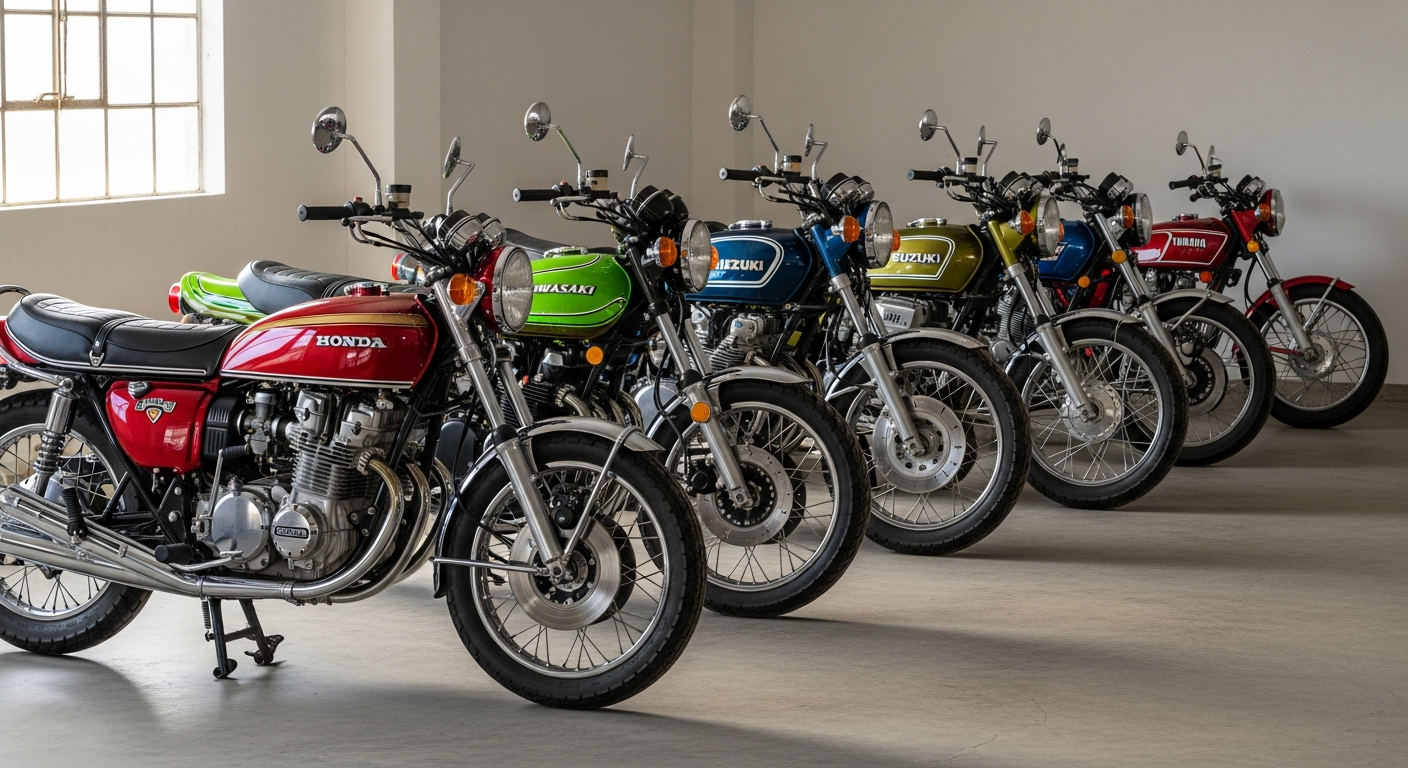
Because Canada opens the door at fifteen years, your shopping list is wider and more modern than an American's. Here is where the value sits in 2026.
The 400-class four-strokes are the sweet spot for new importers. A Honda CB400 Super Four is the bike Canada never officially got in volume — smooth, bulletproof, and perfectly sized for city riding — and clean examples are everywhere in Japan. The Yamaha SR400 is the thumping single that built a global cult following, and the Kawasaki Zephyr nakeds carry that 90s air-cooled charm at a price that still makes sense once landed.
If you want something rarer, the two-stroke race-replicas — the RGV250, the TZR250, the NSR250 — are all comfortably past fifteen years and legal to import, where they remain a grey area or outright banned in tighter markets. And because Canada's window keeps sliding forward each year, the early-2010s middleweights are now arriving: fuel-injected, ABS-equipped bikes that ride like modern machines but carry JDM pricing. Our overview of the major Japanese motorcycle brands and our guide to what makes a bike truly JDM are good places to map your shortlist before you start bidding.
Whatever you choose, the rule is the same: pick a bike with a strong auction grade and a clean rust map, confirm the build date clears fifteen years, and let the inspection sheet — not a hopeful gut feeling — make the call.
One last trap, specific to Canada: the eastern-buyer routing puzzle. If you live in Ontario, Quebec, or the Maritimes, a bike landed in Vancouver still has to reach you. Sometimes the cheapest total path is to land at Halifax; sometimes it is to clear through a US port and drive across the border; sometimes Vancouver plus domestic freight still wins. Do not assume the nearest ocean is the cheapest answer — price the whole journey to your driveway, not just the ocean leg, before you book.
How AWA Auction makes importing to Canada simple
AWA Auction is built for exactly this buyer: the Canadian who wants a clean Japanese bike, at the Japanese price, without learning to read kanji or guessing at the paperwork. We give you direct access to the same auctions the dealers use — BDS, JBA, and the USS halls — and we read every inspection sheet with you before you commit a single dollar.
We win the bike, handle the Japanese-side export deregistration, prepare the CPTPP certificate of origin so your duty lands at zero, arrange container or RoRo shipping to Vancouver or your preferred port, and hand you a complete document packet built for CBSA and your provincial registry. You confirm the build date, approve the bike, and meet it at the inspection station. We stake our name on bikes that match their sheets.
Browse what is crossing the block right now, or tell us the exact machine you are hunting and we will find it at auction in Japan.
See Also
Share this article: